What is Uvc Sterilization and How Does It Work?
Uvc Sterilization is gaining attention in various industries. It utilizes short-wavelength ultraviolet light to eliminate harmful microorganisms. Dr. Jane Smith, an expert in microbial hygiene, states, "UVC sterilization is a game-changer in infection control." This technology is especially effective in hospitals and laboratories.
Through direct exposure to UVC light, bacteria and viruses lose their ability to reproduce. This method is often seen as an alternative to traditional chemical disinfectants. However, not all UVC devices are equal. Effectiveness can vary based on the intensity of light and exposure time.
Critics note that improper use can lead to safety issues. UVC light can be harmful to human skin and eyes. It’s essential to follow guidelines to ensure safe operation. Understanding the fundamentals of UVC sterilization helps in making informed choices. Keeping facilities safe from pathogens is a priority in today's world.
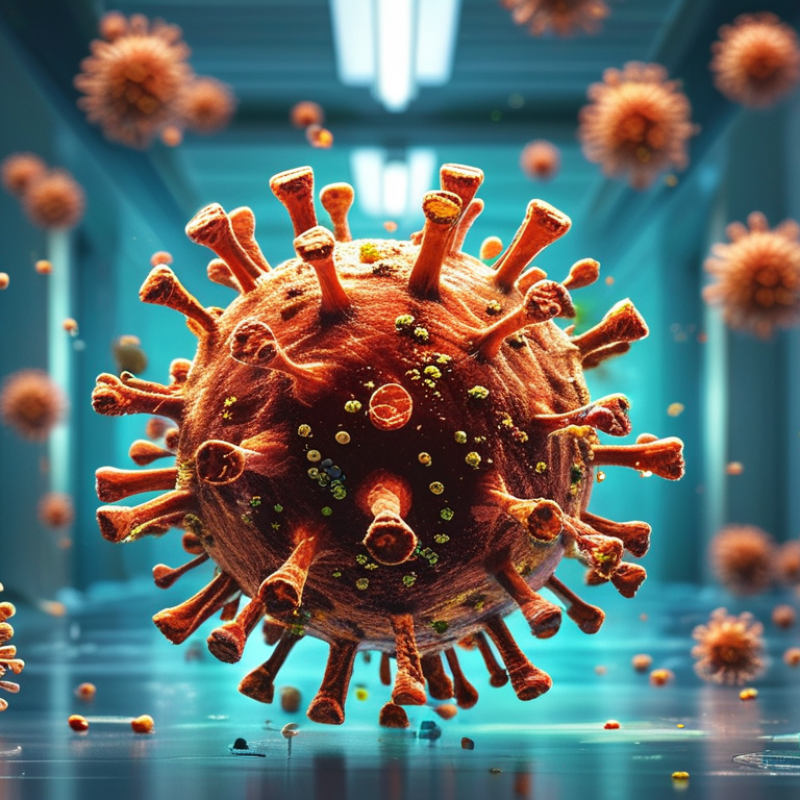
What is UVC Sterilization? Definition and Overview of Technology
UVC sterilization uses ultraviolet light to eliminate pathogens. It operates on the principle that UVC light disrupts the DNA and RNA of microorganisms. When these structures are damaged, cells can no longer reproduce or function. This method is effective against bacteria, viruses, and fungi.
The technology typically involves special lamps that emit UVC light. These lamps are placed in areas requiring sterilization, such as medical facilities and food processing plants. The process is quick and often does not require chemicals. However, it's important to recognize that UVC exposure can be harmful to humans. Precautions must be taken to ensure safety during its use.
Despite its advantages, there are limitations in effectiveness. The distance from the light source and exposure time can affect the outcome. Shadows created by objects can prevent proper sterilization. Regular maintenance of the equipment is vital for optimal results. Understanding these factors can improve the reliability of UVC sterilization in various applications.
The Science Behind UVC Light: How It Kills Microorganisms Effectively
UVC sterilization employs ultraviolet light to control microorganisms. UVC light falls in the 200-280 nanometer range. Studies show it can inactivate up to 99.9% of bacteria and viruses. This makes it effective for disinfecting surfaces and air.
The basic mechanism behind UVC light involves DNA damage. When microorganisms absorb UVC rays, their DNA structure gets altered. This prevents them from replicating and their life cycles come to an end. Research published by the Environmental Protection Agency highlights UVC's efficiency against pathogens such as E. coli and influenza.
Yet, using UVC light requires caution. Direct exposure can harm human skin and eyes. Safety measures must be in place to shield users during operation. Additionally, consistent maintenance of UVC devices is essential for optimal performance. Reports indicate that improper usage leads to reduced efficacy and increased risk. Awareness of these factors is crucial for effective sterilization practices.
Applications of UVC Sterilization Across Various Industries
UVC sterilization is gaining traction across various industries. Its ability to eliminate pathogens makes it invaluable in healthcare, food safety, and water treatment. Hospitals often use UVC light to sanitize surfaces and equipment. This reduces infection rates significantly. Many medical facilities have reported lower post-operative infections since implementing UVC technology.
In the food industry, UVC sterilization ensures safer products. It effectively kills bacteria on food surfaces without chemicals. This method is gaining popularity among restaurants and food processors. With rising concerns about food safety, UVC is seen as a reliable solution.
Water purification also benefits from UVC technology. Municipalities use it to treat drinking water, ensuring it is free from harmful microorganisms. However, there are challenges. Not all UVC systems are equally effective. Proper maintenance and calibration are essential for optimal results. The technology must be continually evaluated and improved to ensure public safety.
Industry Standards and Guidelines for UVC Sterilization Efficacy
UVC sterilization uses ultraviolet light to eliminate harmful microorganisms. Industry guidelines emphasize its effectiveness in many settings, including hospitals and laboratories. According to the Centers for Disease Control and Prevention (CDC), UVC light can reduce pathogens by more than 99% when applied correctly. Proper dosing and exposure time are crucial for achieving this level of efficacy.
The American National Standards Institute (ANSI) provides guidelines on UVC equipment. These standards ensure safety and performance in the healthcare sector. Regular maintenance and calibration of UVC devices help maintain their effectiveness. In practice, UVC doses depend on both the distance from the source and the duration of exposure. Miscalculations in either factor can lead to suboptimal results, underscoring the need for careful application.
Tips: Always measure distances accurately when setting up UVC systems. Consult professional guidelines and consider environmental factors like shadows or obstructions. Reassess operational protocols regularly to ensure ongoing effectiveness. Remember, relying solely on UVC may not suffice as a primary disinfection approach. It's essential to complement it with traditional cleaning methods.
UVC Sterilization Effectiveness by Surface Type
Current Research and Innovations in UVC Sterilization Technologies
Recent advancements in UVC sterilization technologies are shaping the future of pathogen control. UVC light, particularly at wavelengths around 254 nanometers, is effective at disrupting the DNA of microorganisms. This mechanism renders bacteria and viruses ineffective, making it a powerful tool in various sectors.
Current research highlights the effectiveness of UVC in diverse environments. A 2021 report from the International Journal of Environmental Health Research indicated that UVC can reduce airborne viruses by over 90% within minutes. Innovations include mobile UVC units for healthcare settings and integrated systems for public spaces. These systems can be deployed in high-traffic areas to enhance safety. Additionally, studying the residual effects of UVC exposure is becoming crucial. Some reports suggest the need for safety measures to protect human skin and eyes from potential harm.
Despite these advancements, challenges remain. Not all pathogens respond equally to UVC sterilization. The presence of protective barriers, such as biofilms, may limit effectiveness. Researchers emphasize the importance of combining UVC with other disinfecting methods. This multi-pronged approach could ensure thorough pathogen removal and address the limitations of UVC technology. The balancing act between efficacy and safety is a focal point of ongoing investigations.