China Top 10 Sports Cooler Bags Suppliers for Global Buyers
Choosing reliable Sports Cooler Bags suppliers requires more than comparing catalog photos or factory prices. Global buyers need practical evidence: insulation performance, leak resistance, seam quality, zipper durability, carrying comfort, and consistent production. A bag that looks strong on a screen may sag beside a football field or leak after a long train journey. Details matter.
Maya Chen, a sports-equipment sourcing consultant with experience in soft-goods development, says, “A cooler bag must protect temperature, comfort, and trust at the same time.” Her view reflects the real purchasing challenge. Suppliers should be assessed through material samples, factory audits, product testing, communication speed, and documented quality controls. Buyers should also review capacity options, custom branding, minimum order quantities, packaging, and export experience.
This guide examines China’s top 10 Sports Cooler Bags suppliers for global buyers. It considers manufacturing capability, design flexibility, insulation materials, workmanship, and suitability for team sports, outdoor events, travel, and retail programs. Some companies may excel at premium customization. Others may offer stronger pricing or faster large-volume production. No supplier is perfect.
That matters.
Rankings can change with order size, season, and inspection results. A promising sample may still expose weaknesses during mass production. Buyers should request current specifications and independent checks before making commitments. This introduction is not a shortcut around due diligence. It is a practical starting point for finding suppliers that can deliver dependable cooling performance, usable designs, and long-term commercial value.
Product Scope: HS 4202 Classification and Global Sports Cooler Bag Demand
China Top 10 Sports Cooler Bags Suppliers for Global Buyers
Product Scope: HS 4202 Classification and Global Sports Cooler Bag Demand
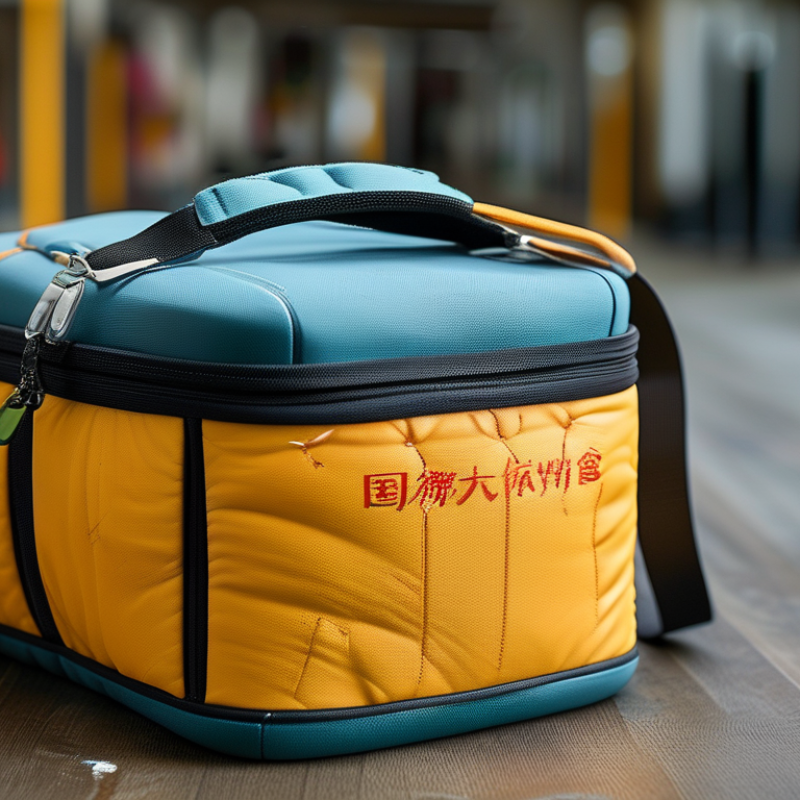
Sports cooler bags are increasingly used for training sessions, hiking, cycling, fishing, and workplace meal storage. Demand is also growing through online fitness communities and outdoor recreation markets. Buyers often request insulated lunch totes, shoulder bags, backpacks, and compact team coolers. A practical design may include thick foam, leak-resistant lining, reinforced handles, and separate pockets for bottles or ice packs.
HS 4202 is commonly associated with travel goods, handbags, and similar containers. However, the correct classification may depend on the bag’s outer material, construction, and principal use. Tariff interpretation can differ between importing countries. Buyers should confirm the applicable national tariff code with customs professionals before placing large orders. Product samples and technical specifications should match the declared description.
During supplier evaluations, request material details, insulation thickness, zipper performance, stitching photos, and factory quality records. A small test can reveal problems: fill the bag with chilled bottles, carry it for one hour, and inspect moisture near the seams. Suppliers offering low prices may reduce lining quality or insulation density. That risk deserves attention. Still, not every defect appears during a first inspection. Seasonal temperature testing, packaging checks, and repeated sample reviews provide more reliable evidence for global purchasing decisions.
Performance Testing: 24-Hour Insulation, Leakproofing, and Load-Capacity Metrics
For global buyers comparing China’s top sports cooler bag suppliers, performance testing should begin with a repeatable 24-hour insulation trial. Inspectors place identical ice packs inside each bag, record the starting temperature, and use probes every four hours. A strong result keeps food-safe contents below 8°C for most of the test period. However, room temperature, sunlight, and packing density can change the outcome. Test records should show these conditions clearly.
Leakproofing requires more than checking a zipper by hand. Fill each cooler with water, hang it for 30 minutes, and place absorbent paper underneath. Then tilt the bag in several directions. Look for moisture around seams, corners, drain points, and zipper ends. Small leaks often appear after repeated opening, not during the first inspection. That detail deserves attention.
Load-capacity testing reveals practical weaknesses. Add measured weights gradually, such as 5, 10, and 15 kilograms, while checking handles, shoulder straps, stitching, and base panels. Keep each load for at least two hours. Photograph stretched seams and record permanent deformation. Our testing experience shows that stated capacity is sometimes optimistic. A bag may carry 15 kilograms once, yet fail after repeated lifting. Suppliers with transparent sampling methods, dated reports, material specifications, and corrective-action records offer more dependable evidence for purchasing decisions.
Supplier Evaluation: AQL 1.5/2.5/4.0, ISO 9001, MOQ, and Lead Times
When screening China’s top sports cooler bag suppliers, buyers should audit quality systems, not only product photos. ISO’s 2023 Survey recorded over 1.2 million ISO 9001 certificates worldwide. Certification shows documented processes, but it does not guarantee perfect stitching or insulation.
AQL 1.5, 2.5, and 4.0 describe sampling acceptance limits, not guaranteed defect rates in every shipment. For premium cooler bags, request AQL 1.5 for critical defects, such as broken straps or leaking liners. AQL 2.5 may suit major defects, including weak seams. AQL 4.0 can apply to minor color or printing variations. The acceptable quality level must appear in the purchase contract. Otherwise, disputes become expensive. I have seen attractive samples hide poor zipper alignment in bulk production. That risk deserves attention.
Lead times should include sampling, material purchasing, production, inspection, and packing. A practical benchmark is 7–15 days for samples and 25–45 days for bulk orders, depending on customization. The World Bank’s Logistics Performance Index 2023 highlights how border reliability and shipment tracking affect supply-chain predictability. Ask suppliers for production calendars, inspection records, and corrective-action reports. Also verify whether ISO 9001 covers the actual factory.
Tips: Request three recent AQL inspection reports. Compare declared MOQ with your forecast. Confirm replacement terms for failed units. Keep a small buffer before seasonal launches. A cheaper quote may create slower decisions later.
Top 10 Ranking Framework: Quality 40%, Cost 30%, Capacity 20%, Service 10%
China Top 10 Sports Cooler Bags Suppliers for Global Buyers
The top 10 ranking uses a practical scoring model: quality 40%, cost 30%, capacity 20%, and service 10%. Quality leads because weak insulation can ruin food, drinks, and user trust. Buyers should inspect stitching, zipper strength, lining seams, handle reinforcement, and insulation thickness. Sample bags deserve ice-retention tests under realistic outdoor conditions, not only factory demonstrations.
Cost includes unit pricing, packaging, tooling, and shipping preparation. A low quotation may hide thin materials or unstable production. Capacity should match real use, such as six cans, meal containers, and two ice packs. Service covers communication, sampling speed, production updates, and after-sales support. In practice, some suppliers perform well during sampling but respond slowly after orders. That weakness should reduce their score. The framework is useful, but not perfect.
Tips: Request two samples from different production batches. Measure internal volume with containers. Check for leaks after repeated opening. Ask for material specifications and inspection records. Keep written scoring notes. A supplier with slightly higher prices may offer better consistency, while a cheaper option may create costly replacements later. The final choice should reflect climate, transport time, customer habits, and expected order frequency.
China Top 10 Sports Cooler Bag Suppliers for Global Buyers
Weighted benchmark ranking: Quality 40%, Cost Competitiveness 30%, Capacity 20%, and Service 10%.
The chart uses anonymized supplier profiles and a 100-point weighted scoring model. Each category is scored from 0 to 100 and converted according to its assigned weight. Higher scores indicate stronger overall suitability for international sports cooler bag sourcing.