China Top 10 Aluminium Melting Furnace Suppliers?
China’s aluminium melting furnace industry is expanding alongside demand for lightweight transport, renewable energy equipment, and recycled metal. The International Aluminium Institute reports that recycled aluminium requires about 5% of the energy used for primary aluminium production. That figure makes furnace efficiency more than a technical preference. It affects operating cost, carbon intensity, and long-term competitiveness.
Market research also shows strong growth across aluminium applications. Grand View Research valued the global aluminium market at approximately USD 245 billion in 2022, with transportation and construction remaining major demand sectors. However, broad market figures do not automatically identify reliable furnace manufacturers. Buyers still need to examine burner design, temperature uniformity, refractory durability, charging systems, emission controls, and after-sales support. A polished showroom cannot replace a stable melt.
Professor John Campbell, a respected casting researcher, emphasized, “The quality of a casting is determined by the quality of the liquid metal.” His observation remains practical. A furnace door, thermocouple, or crucible may look minor, yet each detail can influence oxide formation and metal consistency.
This China Top 10 aluminium melting furnace suppliers guide compares manufacturers through measurable evidence, including furnace capacity, fuel options, automation, energy performance, certifications, and customer experience. The ranking is useful, but not absolute. Supplier data can be incomplete, and advertised efficiency may depend on alloy, loading pattern, and operator skill. That limitation deserves attention. Real factories are rarely perfect. The strongest suppliers are those that explain performance clearly, provide test records, and respond when production conditions change.
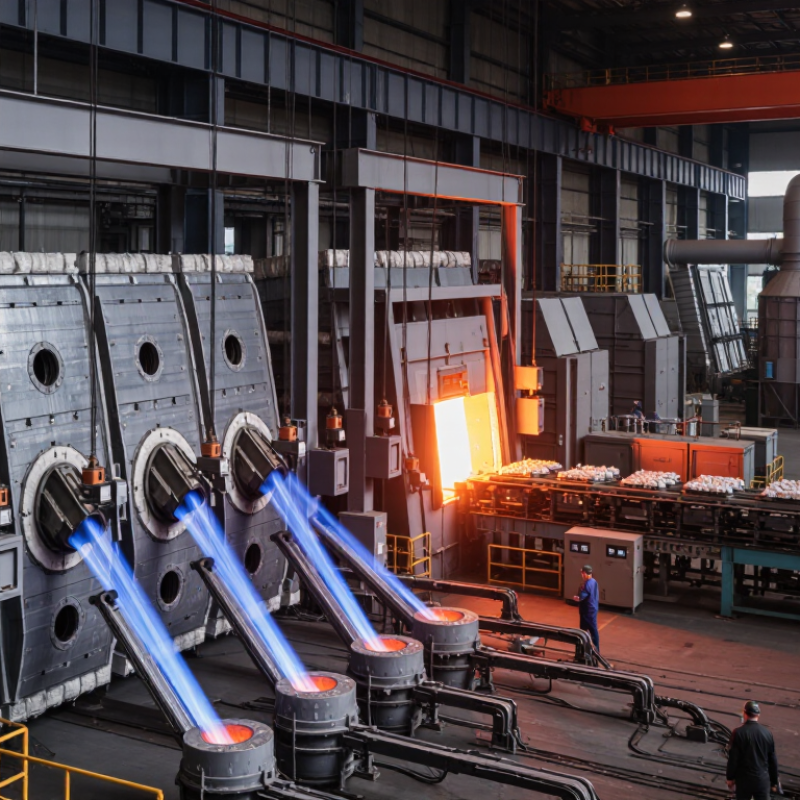
What Defines a Leading Aluminium Melting Furnace Supplier?
A leading aluminium melting furnace supplier is defined by more than product capacity or catalogue language. Practical experience matters. Engineers should understand alloy types, charge materials, melting cycles, and real foundry pressures. A reliable supplier asks about daily output, furnace loading methods, available fuel, workshop space, and required temperature control before recommending equipment.
Good engineering appears in small details. Refractory linings should withstand repeated thermal shock. Burner systems should provide stable heating without creating excessive oxidation. Temperature sensors must remain accurate near molten metal, where a few degrees can affect quality. Clear control panels, guarded access points, emergency shutoffs, and documented maintenance procedures also show professional responsibility. Safety cannot be treated as an optional upgrade.
After-sales support separates a capable supplier from a merely attractive one. Operators need installation guidance, training, spare-part access, and responsive troubleshooting. Useful suppliers provide performance data, energy estimates, and realistic production ranges. They do not promise perfect results from limited information. No furnace is perfect. Even experienced teams may revise settings after observing slag formation, heat loss, or uneven charging. That honesty builds trust. A strong supplier also records these lessons and improves future designs through testing, feedback, and measurable service results.
China’s Top 10 Aluminium Melting Furnace Suppliers
China’s Top 10 Aluminium Melting Furnace Suppliers
China’s top 10 aluminium melting furnace suppliers are often judged by design capability, production experience, and after-sales support. A reliable supplier should provide furnace capacity, fuel type, melting speed, and temperature control data. These details help buyers compare equipment under similar working conditions.
In practical workshops, operators usually examine lining quality, burner stability, heat recovery, and metal loss. A well-built furnace should heat aluminium evenly and reduce oxidation during charging and holding. Ask for test records, installation photographs, and references from comparable factories. Technical support matters, especially when the furnace runs continuously in dusty or humid environments. Small faults become expensive quickly.
A top-ten ranking is not a certification. Supplier performance may change between projects. Some manufacturers offer strong engineering but weaker documentation. Others provide attractive prices but limited commissioning support. I would inspect the control cabinet, refractory joints, safety interlocks, and spare-parts plan before placing an order. Energy data should also be checked against actual production, not only laboratory figures. Honest suppliers explain limitations clearly. That builds trust.
Key Furnace Types and Technologies Offered
China Top 10 Aluminium Melting Furnace Suppliers?
Key Furnace Types and Technologies Offered
China’s aluminium furnace market includes reverberatory, rotary, crucible, induction, and electric resistance designs. Reverberatory furnaces suit large casting lines because they provide broad bath capacity and steady temperature control. Rotary furnaces handle chips, dross, and mixed scrap more flexibly. Induction furnaces offer rapid heating and accurate control, but their electrical demand can increase operating costs. No furnace wins every test.
Modern systems increasingly combine regenerative burners, oxygen-enhanced combustion, waste-heat recovery, automatic charging, and digital temperature monitoring. These technologies reduce fuel loss and limit temperature fluctuations near the molten bath. The International Aluminium Institute reports that recycled aluminium requires about 5% of the energy used for primary aluminium production. This makes scrap-friendly furnace design commercially important. However, actual savings depend on scrap cleanliness, furnace loading, and operator discipline. Published efficiency figures can look better than factory results.
Tips: Ask suppliers for measured fuel consumption, melting rate, metal recovery, and emissions data from comparable installations. Request a trial using your own scrap mix. The IEA identifies aluminium as an energy-intensive industry, so heat recovery deserves careful financial review. Also inspect lining thickness, burner access, fume extraction, and control-system records. A lower purchase price may hide higher maintenance costs. Even experienced buyers should question optimistic payback periods.
China Top 10 Aluminium Melting Furnace Suppliers: Key Furnace Types and Technologies Offered
This non-brand comparison shows typical industrial operating-temperature ranges for furnace types commonly offered by aluminium melting-furnace suppliers. Aluminium melts at approximately 660.3°C; actual furnace settings vary by alloy, charge material, furnace design, and process requirements.
Selecting the Right Chinese Supplier for Your Production Needs
China Top 10 Aluminium Melting Furnace Suppliers?
Selecting the Right Chinese Supplier for Your Production Needs
Choosing among China’s leading aluminium melting furnace suppliers requires more than comparing quotations. Match the furnace design with your alloy, batch size, melting cycle, and available power source. A 500-kilogram batch needs different controls from a continuous casting line. Ask for documented temperature uniformity, fuel consumption, and metal loss data. These figures reveal practical performance better than attractive catalog photographs.
Visit the manufacturing facility when possible. Inspect welding quality, refractory installation, electrical cabinets, and spare-parts storage. Request a factory acceptance test using aluminium similar to your own material. Check whether technicians can support installation, calibration, operator training, and fault diagnosis remotely. Clear drawings and English manuals also reduce delays during commissioning. Small details matter.
Review the supplier’s experience with your region’s safety and environmental requirements. Confirm inspection records for burners, thermocouples, lifting systems, and emergency shutoffs. Ask for references from plants with comparable output, not only large showcase projects. A supplier should explain its limitations openly. Overpromised energy savings deserve careful questioning. One practical mistake is selecting a low-price furnace without calculating refractory replacement, downtime, and spare-part delivery. The cheapest quotation can become expensive after six months. Allow time for technical clarification, because an overlooked door size or drainage point may disrupt the entire production layout.