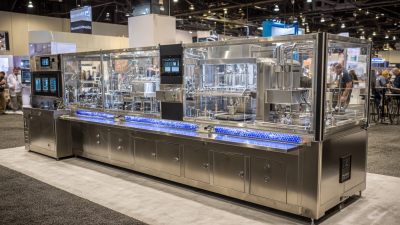
>

China Top Food Service Equipment Suppliers?

Choosing among China’s top Food Service Equipment suppliers requires more than comparing prices. A reliable supplier should demonstrate factory experience, stable production, clear documentation, and responsive technical support. This guide examines manufacturers of commercial ovens, refrigeration units, stainless steel worktables, dishwashers, and preparation equipment.

Real purchasing decisions often begin with practical details. Can the supplier maintain consistent welding quality? Are temperature controls tested before shipment? Does the equipment fit a busy kitchen’s power supply, ventilation, and floor space? Samples, factory audits, inspection reports, and customer references can provide stronger evidence than polished brochures. Certifications also matter, but buyers should verify their scope and validity for the destination market.

Details reveal reliability.

Some suppliers offer excellent customization, yet their delivery schedules may change during peak seasons. Others provide competitive prices but limited after-sales support. These weaknesses deserve attention, even when the product appears attractive. I have found that a clear specification sheet prevents many avoidable misunderstandings. It should list materials, dimensions, voltage, capacity, warranty terms, spare parts, and testing procedures.

This introduction will help readers compare China-based suppliers through practical and professional criteria. It will consider manufacturing capability, product range, quality control, communication, export experience, and service performance. No supplier is perfect. Buyers should still conduct independent verification before signing a contract or placing a large order. The strongest choice is not always the cheapest one. It is the supplier that delivers safe, durable, compliant equipment with dependable support.
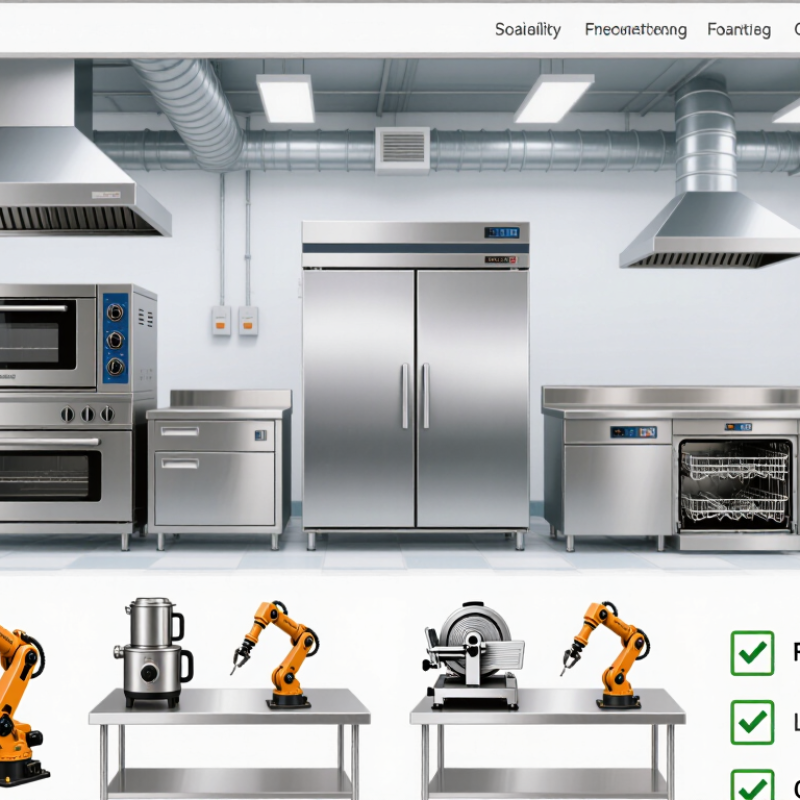
China Top Food Service Equipment Suppliers?

What Defines a Top Food Service Equipment Supplier in China?

A top food service equipment supplier in China is defined by more than factory size or low pricing. Practical experience matters. Suppliers should understand busy kitchens, limited space, cleaning routines, and changing service volumes. Their engineers should turn a floor plan into workable equipment layouts. They should also explain why a specification fits a restaurant, hotel, or central kitchen.

Professional suppliers show evidence, not promises. They provide material details, production drawings, inspection records, and clear delivery terms. Food-contact surfaces should be suitable for hygienic use and easy to clean. Welding, insulation, hinges, seals, and temperature controls deserve close inspection. A useful evaluation includes sample testing, factory audits, and checks on similar completed projects. Ask for measurable results.

Details reveal competence.

Reliable communication is equally important. A capable supplier confirms dimensions, utilities, power requirements, packaging, spare parts, and installation support before production begins. After-sales service should include response times and practical troubleshooting. However, no supplier gets every detail right. A polished showroom can hide weak internal controls. Buyers should question vague claims and test small orders before expanding. I have found that honest answers about limitations often indicate stronger reliability than confident promises. The best supplier is not always the cheapest or largest. It is the partner that documents its work, accepts scrutiny, and improves when a design needs correction.

Key Product Categories and Manufacturing Capabilities

China Top Food Service Equipment Suppliers?

China’s strongest food service equipment suppliers usually cover cooking, refrigeration, preparation, warewashing, and stainless-steel fabrication. Product depth matters because a commercial kitchen is a connected system, not a showroom of separate machines. The 2024 Grand View Research analysis estimates the global foodservice equipment market will expand at about 6% annually through 2030. This growth increases demand for energy-efficient ovens, modular cold storage, induction ranges, blast chillers, and automated dishwashers.

Manufacturing capability separates reliable suppliers from simple trading companies. Look for in-house laser cutting, robotic welding, pressure testing, insulation control, and final performance checks. For refrigeration, ask for temperature-mapping records and compressor compatibility. For cooking equipment, request heat-distribution tests under realistic loads. NSF, CE, and ISO 9001 references can support evaluation, but certificates do not replace factory audits. The 2023 ENERGY STAR commercial kitchen report notes that efficient equipment can reduce operating costs significantly, although actual savings depend on kitchen volume and maintenance. This point is often oversold. Site conditions still matter.

Tips: Request a sample unit before ordering a full kitchen package. Inspect welds, door seals, control panels, and spare-part access. Compare five-year energy and service costs, not only the purchase price. Ask for English manuals, test reports, warranty terms, and video evidence of production. A small pilot order may feel slower, but it exposes weak packaging, inconsistent finishes, or unclear documentation early.

Major Supplier Regions and Industry Clusters

China Top Food Service Equipment Suppliers?

China’s food service equipment industry is concentrated in several manufacturing regions. Guangdong is known for stainless steel fabrication, commercial kitchen systems, refrigeration units, and custom restaurant installations. Guangzhou and Foshan offer dense supplier networks, skilled metalworkers, and convenient export logistics. The region suits buyers needing varied equipment in one sourcing program.

Zhejiang has strong clusters for small cooking appliances, food preparation machines, and compact commercial systems. Ningbo and nearby cities provide access to ports, component suppliers, and packaging services. Jiangsu supports heavier equipment, automation parts, and precision manufacturing. Shandong is important for bakery machinery, processing lines, and larger institutional kitchen projects. These clusters often serve hotels, schools, hospitals, and central kitchens.

The map is uneven. A supplier may assemble equipment in one city while buying motors, controls, or refrigeration parts elsewhere. Details matter. Buyers should inspect welding quality, insulation thickness, electrical protection, drainage design, and cleaning access. Factory audits should also review testing records, spare-part procedures, and installation support. Product photos are not enough.

A practical sourcing plan compares regional strengths with the project’s operating conditions. Coastal clusters may offer faster export handling, while inland factories can provide competitive production costs. However, lower prices sometimes reflect thinner materials or limited service capacity. Specifications should define stainless steel grades, voltage, capacity, temperature range, tolerances, and required certifications. Independent inspections remain valuable, especially when the supplier has strong sales materials but limited technical documentation.

Quality Standards, Certifications, and Export Compliance

China’s top food service equipment suppliers should be judged by documented controls, not factory size or polished catalogs.

The ISO Survey 2023 recorded more than 1.2 million valid ISO 9001 certificates worldwide, showing quality systems remain widely used. However, ISO 9001 does not guarantee safe food contact surfaces or reliable heating performance. Ask for batch records, calibration logs, weld inspection results, and corrective-action reports.

For stainless steel counters, ovens, chillers, and dishwashing systems, export compliance depends on the destination. Food-contact parts may require migration testing and a declaration of compliance under applicable regulations, such as European Regulation (EC) No. 1935/2004 or United States food-contact requirements. Electrical models may need EMC, low-voltage, energy, or restricted-substance evidence. CE marking applies only when relevant European rules are met. China Compulsory Certification also applies to selected product categories, not every machine.

ISO 22000 certification can indicate a structured food safety management system, yet it does not replace product testing. During supplier audits, buyers should compare certificates with the actual production site, certificate scope, and expiry date. Traceability should reach the steel coil, control board, and final test report. Small details matter. A missing serial number can weaken a strong-looking file. Some suppliers provide impressive reports but incomplete English translations. That is a practical risk, and buyers should request accredited laboratory reports, destination-specific declarations, and pre-shipment inspection evidence before payment.

How to Evaluate and Select the Right Supplier

China Top Food Service Equipment Suppliers?

How to Evaluate and Select the Right Supplier

Choosing a Chinese food service equipment supplier requires more than comparing factory prices. A polished catalog can still mislead. Evaluate the supplier’s production history, export experience, and ability to handle similar kitchen layouts. Request current factory photographs, material specifications, and test reports for each critical unit. Ask who performs final inspections. Reliable suppliers answer clearly, even when a request exposes a weakness.

Inspect stainless steel grades, weld quality, insulation, electrical components, and cleaning access. For ovens, refrigeration units, and preparation tables, match capacity to your actual service volume. A low price may hide thinner metal, limited spare parts, or expensive installation changes. Get drawings, tolerance details, packaging standards, warranty terms, and response times in writing. The contract should define delivery milestones and acceptance checks.

Do not rely on promises.

Communication is practical evidence. Test response speed with technical questions, not only sales inquiries. Ask for references from kitchens with comparable workloads and operating conditions. If possible, arrange a video inspection or independent pre-shipment check. Payment schedules should protect both sides and connect releases to verified progress. I once treated a beautiful sample as proof of production quality; that assumption was too generous. Supplier selection improves when evidence outranks confidence.

Newsletter

Keep up on our always evolving product features and technology. Enter your e-mail and subscribe to our newsletter.