
2026 Best Reclining Bed Types for Global Buyers
The 2026 global market for adjustable and reclining sleep products is expanding, but buyers face a crowded and uneven category. Grand View Research valued the global adjustable bed market at approximately USD 7.35 billion in 2023 and forecast a 7.8% CAGR from 2024 to 2030. Fortune Business Insights also reports strong growth through 2032. However, definitions differ between adjustable bases, medical beds, and consumer Reclining Bed models. Forecasts are useful, not perfect.
Comfort remains the main attraction. A motorized frame can raise the head for reading, lift the legs after travel, or create a more supportive sleeping angle. Small details matter globally. Buyers should check weight capacity, mattress compatibility, remote controls, warranty coverage, plug standards, and after-sales service. A quiet motor matters at 2 a.m. So does a dependable emergency-lowering feature.
Sleep researcher Dr. Rebecca Robbins describes sleep as “the third pillar of health, alongside diet and exercise.” Her statement places reclining technology within a wider wellness conversation, not a simple furniture trend. Still, a reclining position cannot solve every sleep problem. It may help some users, while others may dislike motor noise, limited mattress choices, or complicated controls. This guide compares the leading 2026 Reclining Bed types for international buyers, using market evidence, practical ownership experience, and health-conscious evaluation. The best model is not always the most expensive. It is the one that fits the user, room, mattress, electricity supply, and daily routine.
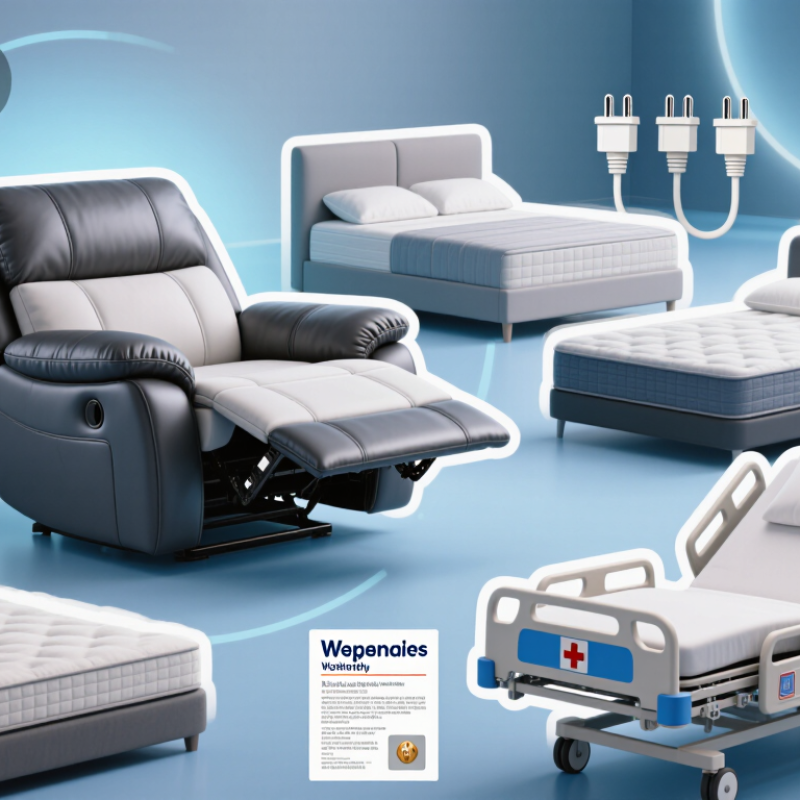
What Is a Reclining Bed and How Does It Work?
A reclining bed is an adjustable sleep platform that raises the back, legs, or both. It differs from a flat bed because its sections move independently. Most models use quiet electric motors called linear actuators. A wired or wireless control sends signals to these motors. The back section lifts for reading, while the leg section rises to reduce pressure around the ankles. Some beds also offer a zero-gravity position, which keeps the knees slightly bent and the body supported.
The frame usually contains a motor, hinges, a control box, and a reinforced base. Movement should feel smooth, without sudden drops or grinding sounds. During a product inspection, check the emergency lowering function and the gap around moving joints. Small gaps matter. They can affect safety, especially in homes with children or older adults. Mattress compatibility also matters. Flexible foam mattresses usually bend well, but thick or rigid designs may limit movement. Measurements can be easy to overlook.
Tips: Confirm local voltage requirements before buying. Ask about plug types, warranty coverage, and replacement parts. Test the remote range. Place the bed near a stable power socket, and leave space for movement. A backup battery can help during outages, but it is not always included. I would also measure doorways twice. That simple step prevents an awkward delivery problem. Consider noise, too. A bed can work perfectly yet disturb a light sleeper.
Key Reclining Bed Types Available in 2026
Electric adjustable beds remain popular for home bedrooms, clinics, and serviced apartments. Their motors raise the back and legs separately. Users can create reading, sleeping, or zero-gravity positions with a handheld control. Look for quiet movement, stable frames, emergency lowering, and tested weight limits. Mattress compatibility matters more than many buyers expect.
Manual reclining beds use levers or gas-assisted mechanisms instead of motors. They usually cost less and need fewer electrical checks. However, adjustment can feel slower for older users or people with limited strength. Split adjustable beds allow partners to choose different angles. They also reduce sleep disturbance, although two mattresses may leave a visible center gap.
Wall-hugger models need less clearance behind the headboard. They suit compact apartments and narrow hotel rooms. Lift recliner beds gently raise the user toward a standing position. These are useful for mobility support, but buyers should check transfer height and side clearance. I once overlooked the importance of cable placement. It can affect cleaning and everyday safety.
Upholstered reclining beds offer a softer appearance, while metal-frame versions often provide easier inspection and maintenance. For international purchases, confirm voltage, plug design, spare-part access, and local safety requirements. Specifications can look impressive online. Hands-on testing still reveals noise, wobble, and awkward controls. Some details remain easy to miss.
How to Match Bed Features With Different Sleeping Needs
Choosing a reclining bed should begin with sleeping habits, not appearance. In practical product evaluations, side sleepers often prefer gentle elevation with stable edge support. A steep angle can press the shoulders and narrow the hip area. Look for a flexible mattress and smooth movement. Small adjustments matter.
Back sleepers may benefit from independent head and leg elevation. The zero-gravity position can reduce pressure around the lower back, but it does not suit everyone. People with snoring concerns may test a raised upper body position. However, persistent breathing problems require medical advice, not furniture alone. Stomach sleepers often need caution because excessive elevation can strain the neck.
Couples should consider split adjustment, separate controls, and motion noise. One partner may read at 30 degrees while the other sleeps flat. Families buying for older adults should check remote simplicity, low entry height, emergency lowering, and battery backup. Hot sleepers may prefer breathable fabrics and an open base that allows airflow. Measure the bedroom carefully; a reclining frame needs rear clearance. It sounds obvious.
From a reliability perspective, verify weight capacity, motor warranty, mattress compatibility, electrical certification, and local voltage requirements. A strong motor is not automatically a quiet one. During testing, listen during both lifting and lowering, then inspect whether the frame pauses smoothly. I once focused too much on maximum elevation and overlooked button sensitivity. That mistake showed me that daily control is often more important than impressive specifications. Choose features that support your routine, not features that merely look advanced.
What Global Buyers Should Check Before Purchasing
2026 Best Reclining Bed Types for Global Buyers
Global buyers should compare bed mechanisms before comparing upholstery or features. Electric adjustable beds suit users who read, work, or manage leg discomfort in raised positions. Split designs allow partners to choose different angles, while wall-hugging frames save space in smaller bedrooms. Lift-recline systems may help users with limited mobility, but they require careful clearance checks.
Fortune Business Insights reports that the global adjustable bed market was valued at about USD 3.9 billion in 2023, with continued growth expected through 2032. Demand is rising, but product quality varies widely.
Check the practical details. Confirm voltage, plug type, frequency, and local service support before ordering internationally. A motor rated for one electrical system may need an approved transformer, not a cheap adapter. Measure the frame, mattress, doorway, and elevator.
Check maximum user weight, emergency lowering, motor noise, remote reliability, and replacement-part access. Look for documented electrical and flammability compliance in your destination market. TÜV and UL-style testing can support confidence, but certificates must match the exact model.
Ask whether the warranty covers motors, controls, and labor across borders. Many warranties do not. I would also test the bed for fifteen minutes, not two. Heat, noise, and awkward knee angles often appear later.
No checklist catches every problem. Even professional testing can miss long-term sagging or software faults. That is why clear technical documents and responsive after-sales support matter more than impressive showroom lighting.
How to Compare Comfort, Safety, Quality, and Total Cost
Manual reclining beds suit buyers who want simple adjustment and fewer electrical parts. Electric models offer smoother positioning, especially for older adults or users with limited mobility. During testing, check whether the back and leg sections move independently. A soft mattress may feel comfortable at first, but excessive sinking can make standing difficult. Try several positions for at least ten minutes. Comfort is personal, and showroom impressions can mislead.
Safety needs practical inspection. Look for stable side supports, anti-entrapment spacing, emergency lowering, and a clear weight rating. Confirm that the mattress matches the bed frame. An unsuitable mattress can slide during movement. Voltage, plug type, and battery backup also matter across countries. Ask for safety documentation, not vague promises. Local electrical requirements may differ.
Quality appears in the frame joints, motor noise, remote response, and surface finish. Test repeated adjustments, not only one movement. A quiet motor can still fail early. Check warranty coverage, repair access, spare-part availability, and service response times. Total cost includes shipping, import charges, assembly, electricity, mattress replacement, and possible remote-control repairs. I once underestimated delivery fees because the quoted price excluded stairs and room placement. That mistake changed the comparison. Measure doorways, lift space, and bedroom clearance before ordering. A lower purchase price is not always the lower cost.